
Outdoor living space design is one of the most impactful investments a Maryland homeowner can make. A well-built patio that nobody uses is one of the most common and most preventable outcomes in residential landscaping. The materials are quality, the installation is solid, but something about the space makes people default back to sitting inside. In most cases the problem is not what was built. It is where it was built, how it was oriented, and whether the design accounted for how the space would actually be used on a hot Maryland afternoon in July.
Getting outdoor living space design right means making a set of decisions before the first block is placed that determine how comfortable, functional, and genuinely usable the finished space will be. For homeowners in the Elkton, MD area planning a project this summer, those decisions are worth spending real time on before work begins.
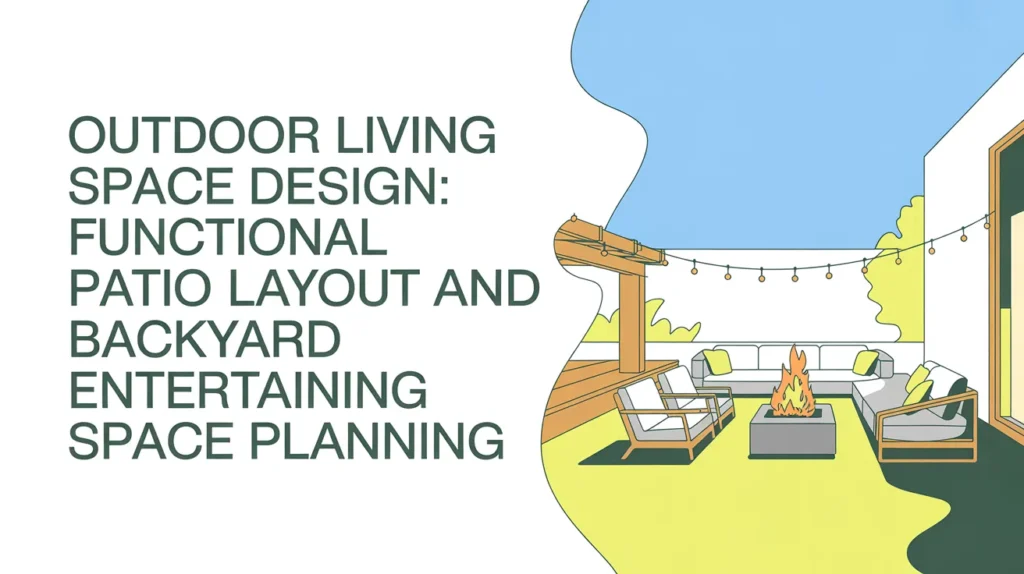
Outdoor Living Space Design Starts With Sun and Shade
Sun orientation is the single most important factor in whether an outdoor living space design gets used during Maryland summers. A patio that faces west and has no overhead shade structure will be unbearably hot from early afternoon through evening on a July or August day. No amount of attractive paver work or well-placed furniture fixes a space that is radiating heat at 95 degrees during the hours most people actually want to use it.
Before committing to a location, observe how sun moves across the yard at different times of day. A south or west-facing patio needs shade built into the design from the start, whether that comes from a pergola, a sail shade, mature tree coverage, or a combination of all three. A north or east-facing patio may have the opposite problem and need thoughtful siting to capture morning sun while avoiding afternoon exposure.
Existing trees are worth building around rather than removing. A patio positioned to take advantage of natural shade from a mature tree on the west side of the yard solves the afternoon heat problem without any additional structure. It also creates a more naturally finished appearance than hardscape alone can achieve.
For guidance on how solar orientation affects outdoor comfort in Maryland’s climate, the Maryland Energy Administration provides regional resources on sun exposure and passive cooling strategies for residential properties.

Proximity to the House: How Far Is Too Far
Outdoor spaces that feel disconnected from the house get used less. It sounds simple, but the relationship between the interior of the home and the outdoor entertaining area has a direct effect on how often the space actually gets activated. A patio placed 40 feet from the back door requires a conscious decision to go outside every time. One positioned just off the kitchen or living room becomes a natural extension of daily activity.
This does not mean every patio needs to be directly adjacent to the house. Properties with natural grade changes, view corridors, or better shade conditions further from the structure sometimes support a destination-style space that works specifically because of the separation. The key is that the distance is intentional and supported by a clear path, good lighting, and a reason to make the trip.
Connection points matter as well. A patio accessible only through a narrow side door or a step down that is not clearly visible from inside the home will be used less than one that opens directly from a wide set of French doors or sliding glass panels. When remodeling allows for it, the door placement and patio position should be designed together rather than treating the outdoor space as an afterthought to existing openings.
Outdoor Living Space Design: Choosing the Right Surface Materials
Paver and surface material selection is often driven entirely by appearance, but comfort underfoot during Maryland summers is a practical consideration that deserves equal attention in any outdoor living space design conversation.
Dark-colored pavers and natural stones absorb significantly more heat than light-toned surfaces. On a full-sun patio in August, dark charcoal pavers can reach surface temperatures well above 130 degrees, which makes the space uncomfortable barefoot and radiates heat upward into the seating area even after the sun has moved. Light-toned concrete pavers, travertine, and lighter natural stone options stay measurably cooler and create a more comfortable surface temperature throughout the day.
Texture matters beyond aesthetics as well. Smooth surfaces look clean but become slippery when wet, which is a real concern near grills, outdoor kitchens, or pool areas where water and grease are common. Tumbled, brushed, or textured finishes provide better traction in those areas without sacrificing the finished appearance that makes a patio feel intentional and well-designed.
Porcelain pavers have become an increasingly popular option for Maryland homeowners who want a contemporary look with practical heat and moisture performance. They absorb less heat than concrete, resist staining, and hold up well through freeze-thaw cycles without the maintenance requirements of natural stone.
For more on paver material performance standards, the Interlocking Concrete Pavement Institute provides detailed guidance on residential hardscape material selection.

Functional Patio Layout: Designing for Traffic Flow
A functional patio layout accounts for how people actually move through an outdoor living space, not just how it looks in a design rendering. Traffic flow problems are one of the most common reasons finished patios feel awkward to use despite being well-built.
The most frequent mistake is placing a dining table in the only direct path between the house and the grill, forcing everyone to route around furniture every time someone moves between stations. Layouts that separate the cooking zone, dining zone, and lounging zone with clear circulation paths between them feel natural to use because they reflect how outdoor gatherings actually function.
Consider these traffic flow principles when planning the layout:
- Allow at least 36 inches of clear walking space around dining tables and between furniture groupings. Spaces that feel open in a plan drawing often feel crowded once furniture is in place at full scale.
- Position the grill at the edge of the space rather than in the center. This keeps smoke away from seating, gives the cook working room, and keeps hot surfaces out of the primary traffic path.
- Create a clear sightline from cooking to seating. Whoever is grilling should be able to see and participate in the conversation rather than facing a wall or being isolated from the group by the layout.
- Plan for where guests enter and exit. A patio that forces guests to walk through the cooking zone to reach the seating area, or through the seating area to reach the yard, creates congestion at the worst moments.
Outdoor Living Space Design Tips for Year-Round Use
A patio designed only for summer peak use misses the shoulder seasons that Maryland actually delivers. April, May, September, and October offer some of the best outdoor weather of the year, and a space that is too exposed, too open, or too far from the house gets abandoned at the first sign of a cool evening or a light rain.
Windbreaks, privacy screens, and overhead structures extend the usable season significantly. A pergola with a retractable canopy or shade sail handles both the summer heat and the light rain scenarios. A low seat wall or planting screen on the north or west side of the patio cuts wind during cooler evenings without blocking views or creating a closed-in feeling.
Heating options are worth incorporating into the design phase rather than adding as afterthoughts. Overhead infrared heaters mounted on a pergola, a built-in fire feature, or a freestanding fire pit built into the hardscape design all extend the season and create a reason to use the space well into fall. Running gas lines or electrical conduit during construction is a fraction of the cost of retrofitting them later.
A Backyard Entertaining Space Built Around How You Live
The most successful outdoor living space design projects start with an honest conversation about how the homeowners actually spend time outside. A family that grills three nights a week and hosts weekend gatherings needs a completely different layout than one that wants a quiet morning coffee space with room for occasional dinner parties.
Getting specific about the use cases before selecting materials, dimensions, or features prevents the common outcome of building a space that looks impressive but does not actually match how the family wants to live outside. A smaller, well-designed patio used daily is a better investment than a sprawling hardscape that rarely gets activated because the layout does not fit the household.
Bringing those use cases into the design conversation from the start is what separates an outdoor living space design that performs from one that just looks good in the project photos. Every decision that follows, from orientation to materials to layout to features, gets easier and more confident when the answer to “how will we actually use this” is clear before work begins.
Susquehanna Lawn Care designs and builds custom outdoor living spaces for homeowners in Elkton, MD and the surrounding area. If you are planning a patio, outdoor kitchen, or backyard entertaining space for this summer, call us at (443) 218-3179 or email ronnie@suskylawn.com to schedule a design consultation and start the conversation about what your property can become.